
1xBet APK: A Short Path Through the Setup
Is there a faster way to install the 1xBet Android app than searching through endless forum threads? The APK distribution route bypasses regional store restrictions entirely, though it demands a quick permissions adjustment. This guide strips the process to its essentials: what the file actually contains, how to land it on your phone, and how to keep it current without friction. The 1xBet application bundles sports wagering, live odds tracking, casino play, and financial account management into a single package. The APK itself is the Android Package Kit—the archive format Google uses for all Android software, whether delivered through their Play environment or directly from publishers.
What the App and Its APK File Deliver
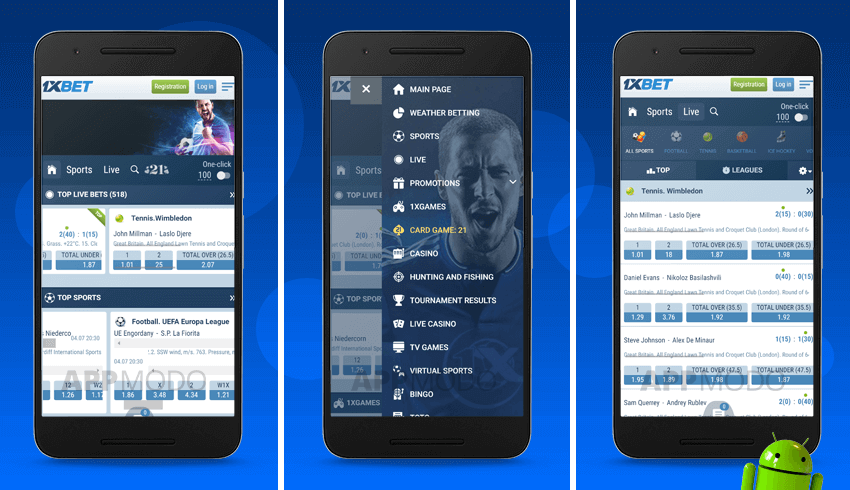
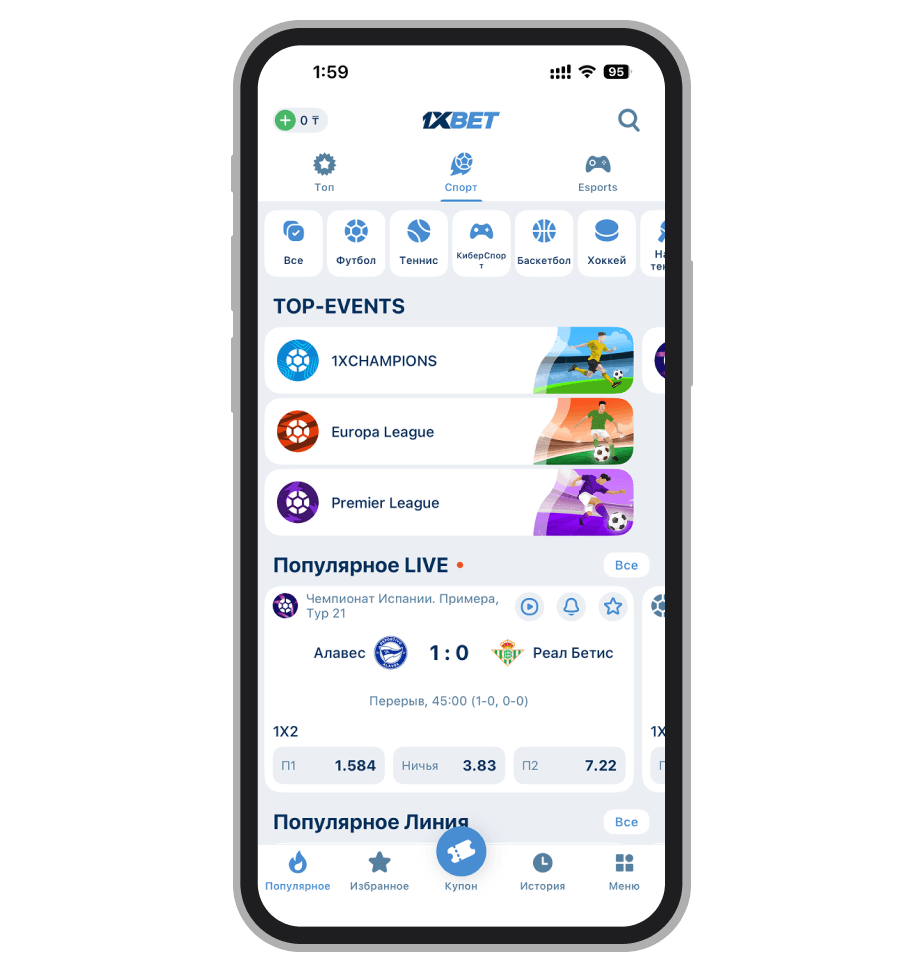
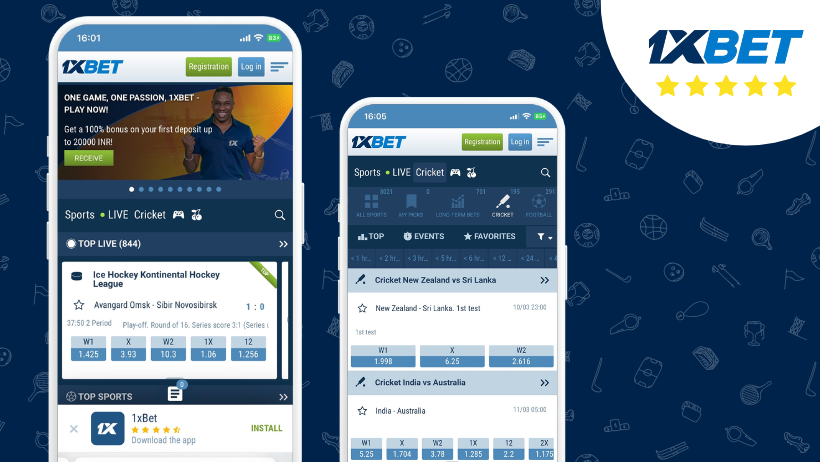
The 1xBet mobile client replicates the core betting experience in native Android code rather than browser tabs. Inside sits a complete sportsbook with pre-match markets, an in-play wagering engine that refreshes odds as matches unfold, a casino lobby with slots and table games, plus cashier functions for deposits and withdrawals. The APK file compresses all of this into a downloadable archive your system unpacks during installation.
Distribution happens outside Google’s ecosystem because gambling applications face regional policy blocks in many territories. The publisher signs each release with a digital certificate; Android validates this signature during install and again when applying updates. Mismatched certificates between versions trigger update failures, forcing a complete removal and fresh install. The APK method also means you choose when to upgrade rather than accepting automatic background updates.
The package is built around several key structural elements, including the sections most users rely on after installation, and when you open the 1xbet betting application install apk you can see how these parts are arranged to keep navigation simple and stable.
- The manifest defining hardware requirements and requested permissions
- Compiled code libraries for the betting interface and payment security
- Asset bundles for graphics, odds data formatting, and localization strings
- The signing certificate proving release authenticity
| Component | Function |
|---|---|
| DEX files | Executable code for the betting engine and UI rendering |
| Resources | Layouts, icons, and odds display templates |
| Native libraries | Payment encryption and streaming media handlers |
| Certificate | Update continuity and tamper detection |
Downloading and Installing on Android
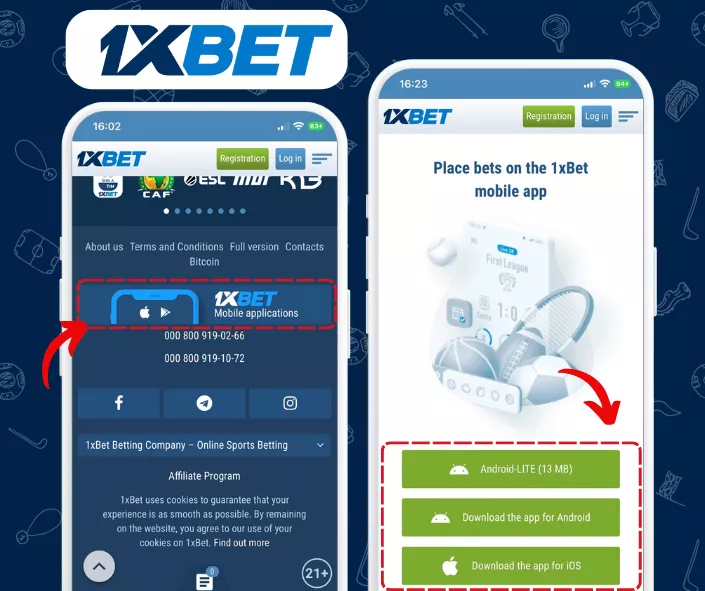
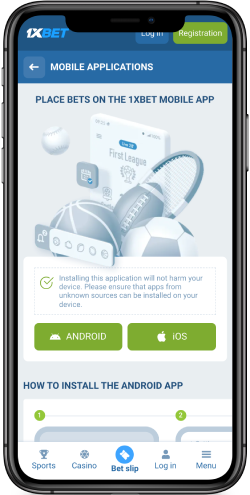
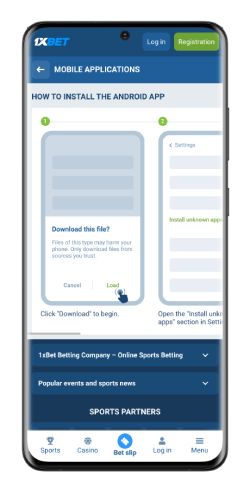
The download originates from the publisher’s web portal, not any app store. Your browser retrieves the APK to local storage—typically the Downloads folder—where it waits for execution. Before tapping the file, Android requires explicit permission for that specific source to install unknown applications. Modern Android versions assign this permission per-app rather than globally; your browser or file manager each need separate authorization.
The permission toggle lives in Settings under Apps > Special app access > Install unknown apps, though menu labels shift between Android versions. Once granted, the system presents the standard install dialog showing requested permissions and publisher identity. The process completes in seconds, placing the 1xBet icon in your application drawer alongside store-bought software.
Verification steps worth taking:
- Check that the download URL matches the publisher’s primary domain
- Note the file timestamp and size against previous releases if updating
- Confirm the certificate dialog shows consistent publisher information
- Scan with your device’s security suite before first launch
Updates, Features, and Common Friction Points
Updates arrive through the same direct-download mechanism. When a new version releases, the old certificate must match or the install aborts. This security feature prevents malicious actors from injecting compromised code into your existing installation. If certificates differ—possible during major publisher infrastructure changes—you must uninstall completely before the new APK will install. Uninstallation erases locally stored data including cached odds history and incomplete bet slips, though server-side account records persist.
The application’s feature set divides into four operational zones:
- Sports and live betting: Real-time odds adjustment, cash-out availability, and accumulator construction across dozens of disciplines
- Casino: Slot machines, card tables, and live dealer streams with account wallet integration
- Payments: Deposit methods varying by region, withdrawal request queues, and transaction history
- Account management: Profile settings, responsible gambling limits, bonus status, and verification document submission
Three installation problems surface repeatedly. First, the “App not installed” error usually indicates certificate conflict or insufficient storage—free space and check signature consistency. Second, parse errors suggest incomplete downloads; re-download rather than retrying the same file. Third, post-install crashes often trace to disabled Google Play Services components the app expects; enable background data and autostart permissions in system settings.
Regional variation affects availability: certain markets block gambling applications at network level, requiring VPN circumvention that violates terms of service. Interface language, currency default, and payment method lists all shift based on detected location and account registration. The browser downloads approach remains necessary precisely because store distribution is fragmented by jurisdiction.
Application Versus Mobile Website
The native APK and the mobile website share underlying services but diverge in execution. The installed application launches faster, caches navigation elements locally, and can push odds alerts through Android’s notification system. It also maintains persistent login state and handles poor connectivity more gracefully. The mobile site requires no storage permission, installs nothing, and vanishes completely when you clear browser data—useful for shared devices or strict corporate phones.
| Factor | Native APK | Mobile Website |
|---|---|---|
| Launch speed | Immediate from home screen | Bookmark or URL entry required |
| Storage demand | Application size plus cache | Browser cache only |
| Notifications | System-level odds and result alerts | Web push if browser supports |
| Account persistence | Biometric or PIN unlock | Session cookies, periodic re-auth |
| Update control | Manual download and install | Automatic with page refresh |
Most users settle on the APK for daily wagering and keep the mobile site as fallback. Both access identical account balances, bet history, and withdrawal queues. Gambling should remain within affordable limits; the application includes self-exclusion and deposit cap tools accessible through account settings.
FAQ
Why does Android flag the APK as potentially harmful?
Any application outside Google Play triggers this generic warning. The message reflects the source, not a malware detection. Verify the download origin and certificate fingerprint if concerned.
Can I update without losing my pending bets?
Yes, if the new APK uses the same signing certificate. Open bets live on the server, not locally. Certificate mismatches force full uninstallation, which clears app data but preserves server-side wager records.
How do I revoke the unknown-source permission later?
Return to Settings > Apps > Special app access > Install unknown apps, select the browser or file manager used, and disable the toggle. This blocks future sideloading without affecting already-installed applications.
Why does the app refuse to install over my existing version?
Certificate rotation or corrupted download files cause this. Compare the publisher signature displayed in the install dialog against your current installation. When uncertain, uninstall completely and reinstall fresh.
Is the mobile website slower for live betting?
Page reloads and script initialization add latency the native app avoids through local caching. For rapid in-play wagering where seconds affect available odds, the installed client maintains modest responsiveness advantages.

